
Human-centered research on GenAI usage from the Pratt Institute
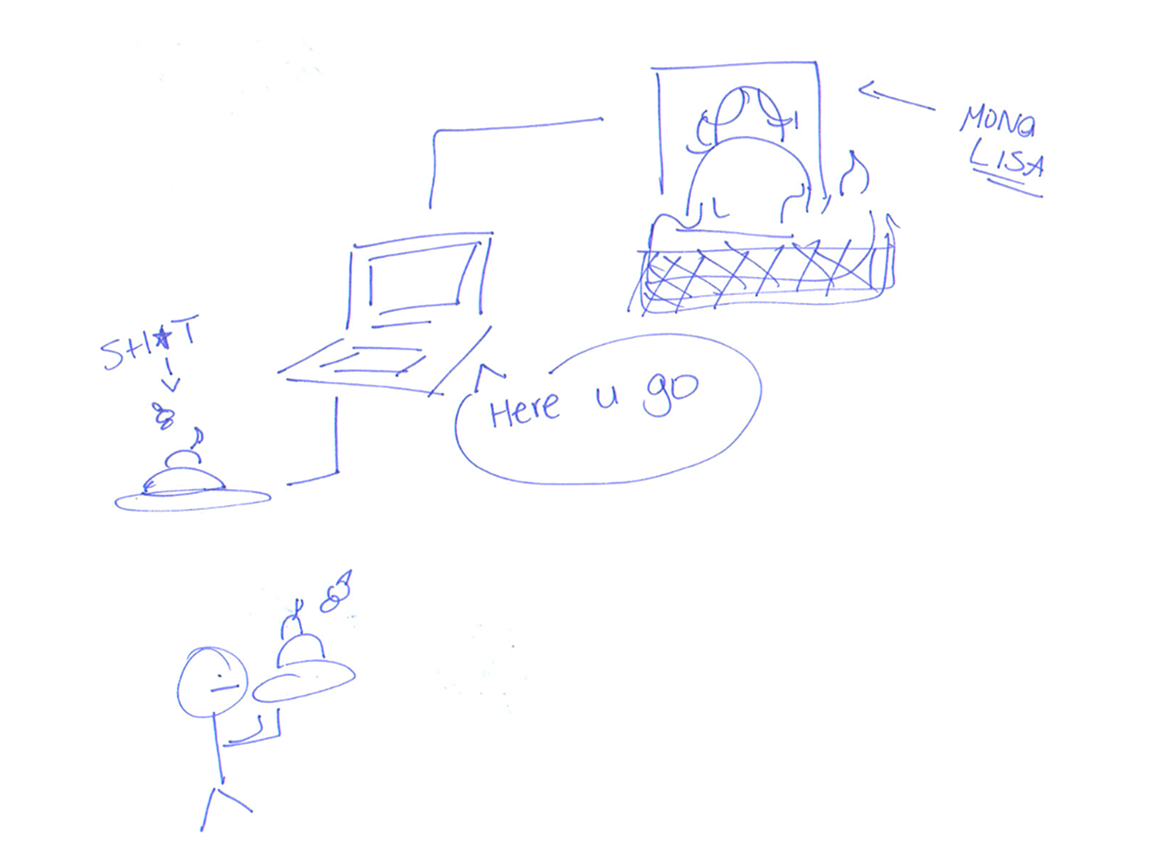
Many expressed negative views: environmental impact, art-theft, or ones like the above that equate AI to shit.
Others focused on the positives: ChatGPT's translation abilities, the relationship between the user and the interface, and the ability to enhance one's work efficiently.
80% of students reported using GenAI
61% feel GenAI doesn't increase school engagement
93% of students surveyed are concerned about AI bias
59% expect their usage of GenAI to grow
Only 3% think it’s always ethically fine; 60% say “it depends”
47% are cautious to admit using GenAI
Many students felt ashamed of using AI but justified it due to pressures of completing assignments perfectly and on schedule. While students acknowledged ethical concerns, they distanced emotionally from AI, using it as a tool in their academic work. This theme highlights the personal nature of each student’s relationship with AI, emphasizing the need for ongoing discussions about its impact on academic environments.
In a school of design, ownership of work is closely linked to an individual’s innovation. The use of AI presents conflicting views on the integrity of one’s work. Some students believe AI dulls their creativity, feeling it diminishes their personal touch, while others see AI as a valuable tool that enhances and supplements their work.
GenAI use feels increasingly inevitable, even among skeptics. While many participants rely on it regularly, they approach its outputs with caution—verifying sources, questioning accuracy, and doubting whether the tool truly understands them. Several described frustration with fabricated citations and outputs that felt overly polished or unnatural. Others noted that their work often became a “Frankenstein” blend of AI and human input, with some feeling their own voice was diluted or lost in the process.
.png)
51% students felt uncomfortable using ChatGPT for schoolwork. Still, they used it to keep up with deadlines and academic pressure. A school-approved AI writing tool could guide students to improve their writing without giving them the answers, helping them learn while using AI responsibly.
In focus groups, students shared that while they use tools like ChatGPT for writing and research, many still prefer the guidance of a librarian. However, limited library hours—especially for those working late at night—can be a barrier. An AI-powered librarian available after hours could provide students with research support when they need it most, while still encouraging independent inquiry and the use of credible sources.
.png)
.png)
In the focus groups, numerous students reported using AI tools like ChatGPT to get better translations and definitions that standard tools like Google Translate or dictionaries. By describing the type of word or tone they need, students get more accurate and academically appropriate suggestions from AI.
This human research study revealed the conflicting attitudes students hold toward generative AI in their coursework. Many recognized its environmental impact and felt it reduced their own creative input, yet still relied on it to cope with academic stress and deadlines. Others saw GenAI as an inevitable part of the future and used it freely.
Next Steps
To deepen our understanding of GenAI’s role in academia, the study is now expanding to include faculty perspectives, especially as they confront the challenge of evaluating work that may include AI-generated content.
What I Learned
Working with a team of engaged student researchers on such a timely, complex topic sharpened my research skills and broadened my understanding of how emerging technologies shape the academic experience. It also gave me valuable insight into the diverse ways students navigate and negotiate the presence of AI in their education.